
Why Do T-Shirts Shrink? Understanding the Science
T-shirt shrinkage is a common frustration, but it’s not random—it’s rooted in textile science. Most cotton t-shirts are made from natural fibers that contract when exposed to heat and agitation during washing and drying. This phenomenon, known as ‘relaxation shrinkage,’ occurs because cotton fibers swell in water and then tighten as they dry, especially under high heat. Synthetic blends like polyester resist shrinkage better, but even they aren’t immune if blended with cotton or rayon.
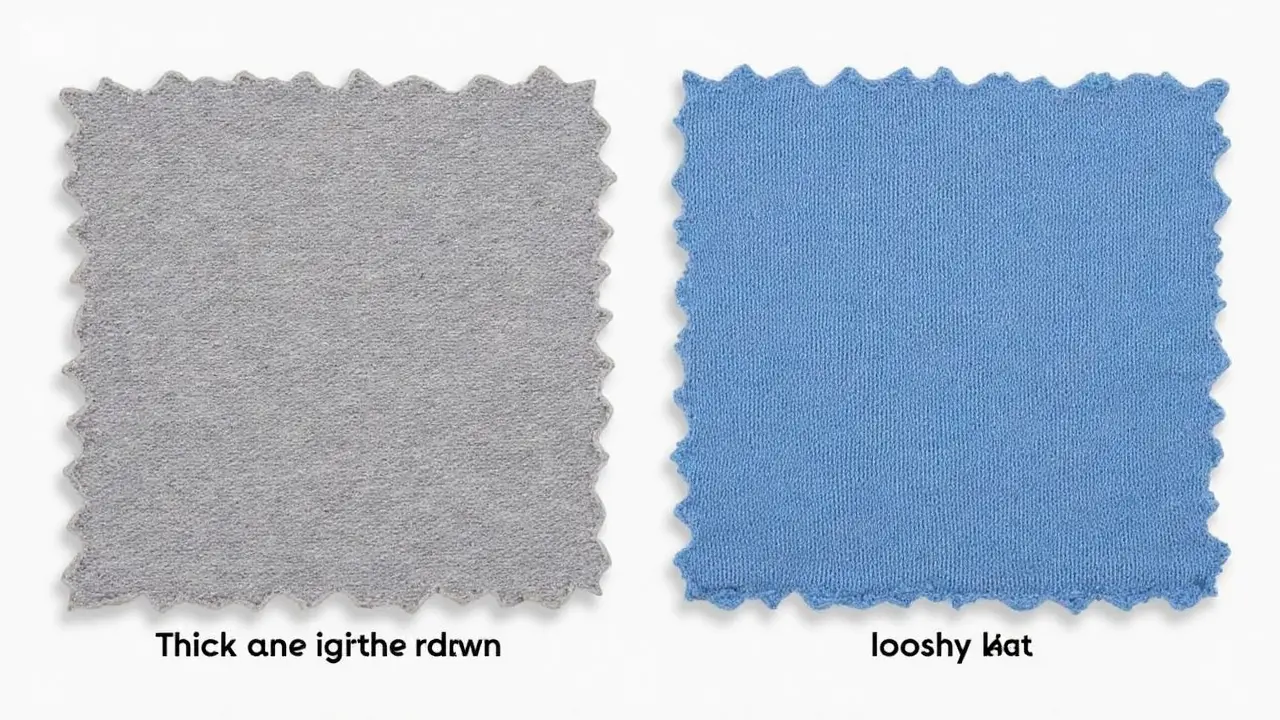
The extent of t-shirt shrinkage depends on several factors: fabric composition (100% cotton vs. cotton-polyester blends), yarn construction (ring-spun vs. open-end), and whether the fabric was pre-shrunk during manufacturing. Heavier fabrics (like 6 oz/yd² or more) tend to hold their shape better than lightweight knits, while loosely woven jersey knits are more prone to distortion. Understanding these variables is the first step toward mastering t-shirt care.
Washing Techniques: Water Temperature and Cycle Settings
One of the most effective ways how to prevent shrinking starts in the washing machine. Always use cold water—ideally below 30°C (86°F)—as hot or warm water accelerates fiber contraction. Cold water not only minimizes shrinkage but also preserves color and reduces energy consumption. For delicate or vintage tees, consider hand-washing in a basin with mild detergent.
Select the gentle or delicate cycle on your machine. Aggressive agitation from normal or heavy-duty cycles can stretch and distort the knit structure, leading to uneven shrinkage or pilling. Turn t-shirts inside out before washing to protect printed designs and reduce surface abrasion. Use a mild, pH-neutral detergent—avoid bleach and fabric softeners, which can degrade fibers over time. These practices are especially crucial for lightweight (<5 oz/yd²) or loosely knit tees, which are more vulnerable to damage.

Fabric-Specific Care: Adjusting Methods by Weight and Weave
Not all t-shirts respond the same way to laundering. A heavyweight 8 oz ring-spun cotton tee behaves very differently from a thin 4 oz slub-knit jersey. For heavyweight t-shirts (6–8 oz/yd²), you can often use a standard gentle cycle with minimal risk, as the tighter weave and denser yarn offer structural stability. However, always avoid high spin speeds—they can cause twisting and torque-induced distortion.
Lightweight and loosely woven tees (under 5.5 oz) require extra caution. Consider placing them in a mesh laundry bag to reduce friction and tangling. Slub knits and textured weaves, while stylish, have irregular yarn thickness that makes them prone to uneven shrinkage. For these, hand-washing or using the ‘hand-wash’ cycle (if available) is ideal. Blended fabrics like 50/50 cotton-polyester generally resist t-shirt shrinkage better than 100% cotton, but still benefit from cold water and low agitation to maintain longevity and fit.
Drying Methods: Air Dry vs. Machine Dry – What Works Best?
Drying is where most t-shirt shrinkage occurs. High-heat tumble drying causes rapid fiber contraction, especially in cotton. To preserve fit and fabric integrity, air drying is the gold standard. Lay t-shirts flat on a clean towel or drying rack to maintain shape—hanging by the shoulders can stretch the neckline and sleeves over time. If you must use a dryer, select the lowest heat setting (‘air fluff’ or ‘delicate’) and remove garments while slightly damp to finish air-drying.
Comparing natural晾干 versus low-heat machine drying reveals clear advantages for air drying: it eliminates thermal stress, prevents static buildup, and avoids the tumbling action that can misshape seams. However, modern dryers with moisture sensors and gentle cycles can be acceptable for blended fabrics if used sparingly. Never overdry—this not only increases shrinkage risk but also weakens fibers. Remember, consistent use of proper drying methods is essential for long-term t-shirt care.

Preventing t-shirt shrinkage isn’t about avoiding laundry—it’s about adopting smarter habits tailored to your garment’s fabric, weight, and construction. By using cold water, gentle cycles, and prioritizing air drying over high-heat tumbling, you significantly reduce the risk of unwanted shrinkage. Whether you own premium heavyweight tees or everyday lightweight basics, these evidence-based washing and drying practices ensure your shirts retain their original fit, feel, and appearance for years. With the right approach to t-shirt care, you’ll never have to wonder why your favorite tee suddenly feels two sizes too small.