
Understanding Your Long Sleeve Shirt Fabric
Before diving into long sleeve shirt care instructions, it’s essential to identify the fabric type. Most classic dress shirts are made from cotton, but variations like oxford cloth, twill weave, or wrinkle-resistant (non-iron) finishes require tailored approaches. Cotton long sleeve shirts are breathable and durable but prone to shrinking and wrinkling if not handled correctly. Oxford fabric, known for its basketweave texture, is slightly heavier and more forgiving in the wash, while twill offers a smoother drape and resists creasing better than plain weaves. Shirts labeled ‘easy-care’ or ‘non-iron’ often contain synthetic blends or chemical treatments that reduce wrinkling—but these can degrade with harsh detergents or high heat.
Always check the care label inside the collar or side seam. Symbols indicating water temperature, bleach use, tumble dry settings, and ironing guidance are your best allies. Ignoring these can lead to irreversible damage—like a shrunken collar or stiffened fabric. Understanding your shirt’s composition ensures you apply the right how to wash cotton long sleeve shirts method without compromising fit or finish.
Pre-Wash Prep: Sorting, Stain Treatment, and Buttoning
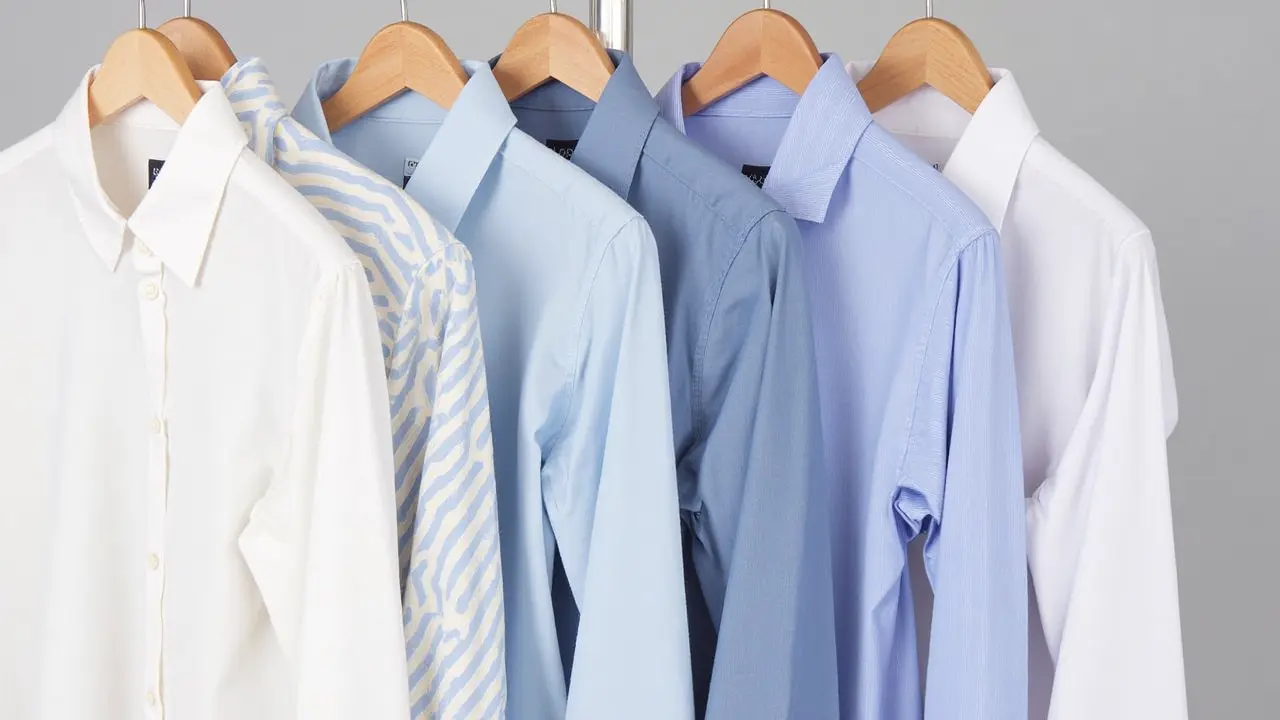
Proper long sleeve shirt maintenance begins before the shirt even touches water. Start by unbuttoning all buttons—yes, even the cuff and collar—to prevent strain on stitching and buttonholes during agitation. Turn shirts inside out to protect the outer surface from pilling and fading. Sort by color: whites, lights, and darks should never mix, especially with new shirts that may bleed dye.
Address stains immediately. Collars and cuffs often accumulate oil and sweat; pretreat with a gentle stain remover or a paste of baking soda and water. For odor control between wears, hang shirts in a well-ventilated area or use a fabric refresher spray—this reduces unnecessary washing, which preserves fibers. Remember, overwashing accelerates wear, so spot-cleaning and airing out can extend time between full cycles. This step is crucial for anyone seeking to prevent wrinkling in long sleeve shirts long-term, as stressed fibers wrinkle more easily.
Washing Techniques: Machine vs. Hand Wash
When it comes to how to wash cotton long sleeve shirts, both machine and hand washing work—but with caveats. For machine washing, use the gentle or delicate cycle with cold or lukewarm water (max 30°C/86°F). Hot water risks shrinkage, especially in 100% cotton. Place shirts in a mesh laundry bag to minimize tangling and abrasion. Use a mild, liquid detergent formulated for delicates—avoid powders that may not dissolve fully and leave residue.
Hand washing is ideal for premium or vintage shirts. Fill a basin with cool water and add a capful of a gentle detergent like Woolite Delicates or The Laundress Shirt Wash. Submerge the shirt, gently agitate for 2–3 minutes, then soak for up to 30 minutes. Rinse thoroughly with cool water until no suds remain. Never wring out the shirt—this distorts shape and stretches seams. Instead, press water out gently or roll in a clean towel to absorb moisture. Choosing the right method based on fabric and frequency of wear is key to long sleeve shirt maintenance.
Choosing the Best Detergents and Avoiding Common Mistakes
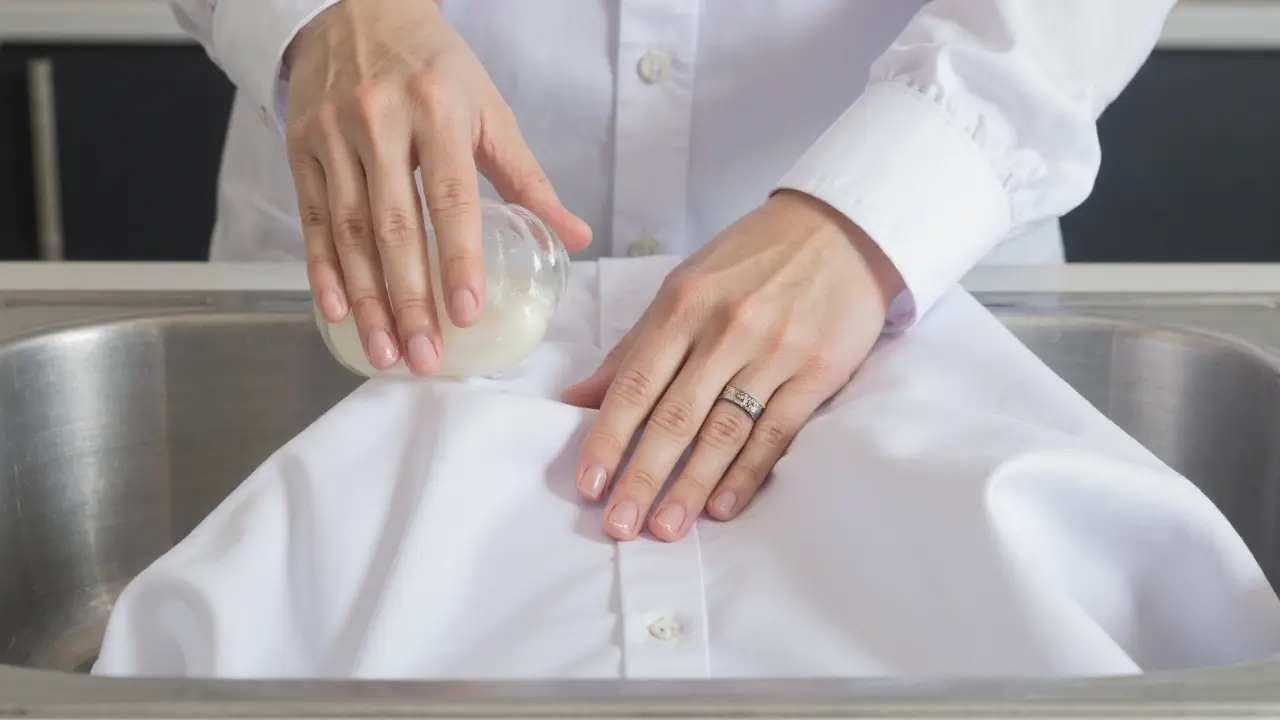
Not all detergents are created equal when it comes to best detergents for shirts. Opt for pH-neutral, enzyme-free formulas that won’t break down cotton fibers or fade colors. Brands like The Laundress, Eucalan, or Tide Free & Gentle are excellent choices. Avoid bleach—even oxygen bleach can weaken fibers over time—and skip fabric softeners, which coat fibers, reduce absorbency, and diminish the crisp hand-feel of quality shirting.
Common mistakes include overloading the washer (which causes excessive wrinkling), using too much detergent (leading to buildup and stiffness), and mixing heavy items like jeans with shirts (causing abrasion). Also, never wash non-iron shirts with regular cottons—different care needs can compromise performance. Using the right product and technique ensures your shirts stay fresh, soft, and ready to wear without hidden damage.
Drying Methods That Preserve Shape and Reduce Wrinkles
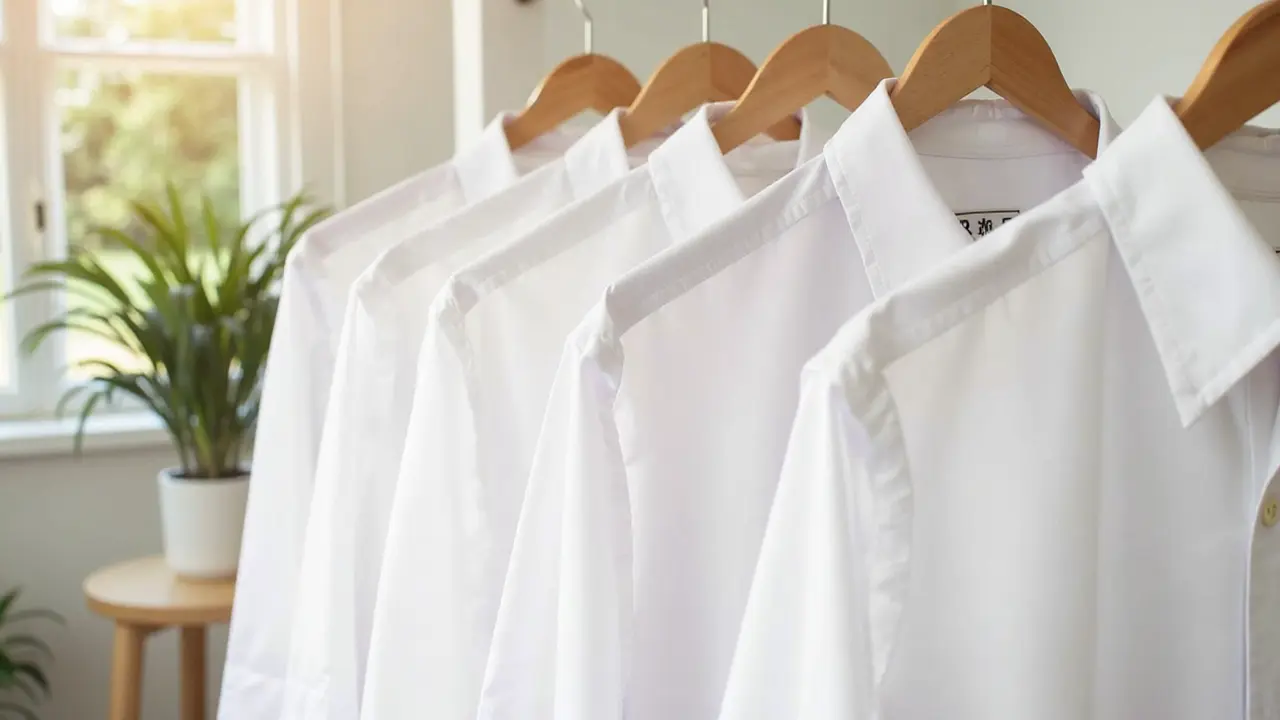
One of the most overlooked aspects of proper drying methods is how you handle shirts post-wash. Tumble drying—even on low—can cause shrinkage, set wrinkles, and degrade wrinkle-resistant finishes. Air drying is always preferred. Reshape the shirt while damp: smooth shoulders, align side seams, and button the top button to maintain collar structure. Hang immediately on a wide, padded hanger (not wire!) to support shoulders without stretching.
For minimal wrinkling, hang shirts in a well-ventilated room away from direct sunlight, which can yellow white fabrics. If you must use a dryer, select ‘air fluff’ or ‘no heat’ for 5–10 minutes to remove excess moisture, then hang to finish drying. Never dry shirts bunched in a pile—that guarantees deep creases. Mastering this step significantly helps prevent wrinkling in long sleeve shirts and keeps them looking freshly pressed with less ironing.
Ironing and Steaming: Achieving a Crisp, Professional Finish
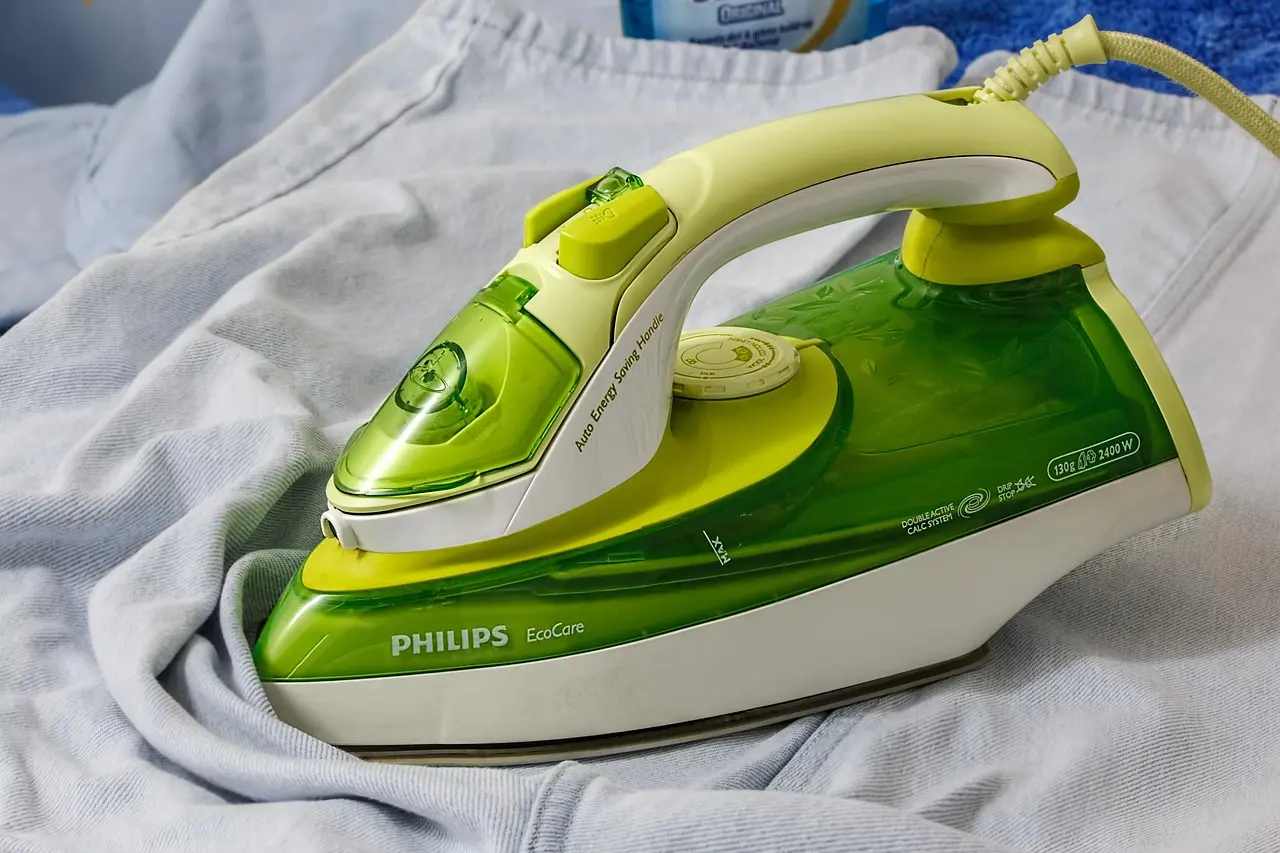
Even with careful washing and drying, some wrinkles may remain—especially in 100% cotton. That’s where long sleeve shirt ironing tips come in. Iron while the shirt is slightly damp for best results, or use a spray bottle to mist areas lightly. Set your iron to the cotton setting (usually 180–200°C / 356–392°F) and use steam generously. Start with the collar (inside first, then outside), then move to cuffs, yoke, sleeves, and finally the front and back panels.
For non-iron shirts, avoid high heat—use a lower setting or opt for a garment steamer instead. Steamers are gentler, faster, and ideal for travel. Always iron on the reverse side if unsure, and never iron over stains—they’ll set permanently. A final pro tip: starch or sizing sprays can add body and crispness, but use sparingly to avoid stiffness or residue buildup over time.
Long-Term Storage and Maintenance Habits
Beyond washing, consistent long sleeve shirt maintenance includes smart storage. Always store shirts on proper hangers—wide, contoured ones that mimic shoulder shape. Avoid overcrowding in the closet; cramped spaces cause creasing and trap moisture. For seasonal storage, use breathable cotton garment bags, not plastic, which traps humidity and encourages mildew.
Rotate your shirts to allow fabrics to rest between wears. This reduces fiber fatigue and odor retention. Refresh between washes with a light vinegar-water spray (1:3 ratio) to neutralize odors without damaging fabric. Finally, mend loose buttons or frayed cuffs early—small repairs prevent larger issues. With these habits, your shirts will stay crisp, clean, and ready for any occasion, wash after wash.
By following these detailed long sleeve shirt care instructions—from fabric identification and gentle washing to smart drying and precise ironing—you can keep your shirts looking professionally crisp and wrinkle-free for years. Whether you’re caring for everyday oxford shirts or formal twill pieces, understanding how to wash cotton long sleeve shirts properly, choosing the best detergents for shirts, and applying proper drying methods will preserve both appearance and longevity. With consistent attention to detail, your wardrobe will always be sharp, fresh, and ready to impress.