

Understanding Your T-Shirt Fabric Matters
Before diving into t-shirt stain removal, it’s essential to identify your garment’s fabric type. Most t-shirts are made from cotton, cotton-polyester blends, or premium combed cotton. Each reacts differently to cleaning agents and water temperatures. For instance, 100% cotton is highly absorbent but prone to shrinking in hot water, while polyester blends resist wrinkles but can trap odors if not rinsed thoroughly. Knowing your fabric helps you choose the right method to prevent fabric damage while effectively lifting stains.
Always check the care label first. Washing instructions like ‘cold water only’ or ‘do not bleach’ aren’t suggestions—they’re guidelines to preserve texture, color, and shape. Ignoring them during stain treatment is a common mistake that leads to stiff, faded, or misshapen t-shirts.
Tackling Sweat Stains Safely and Effectively
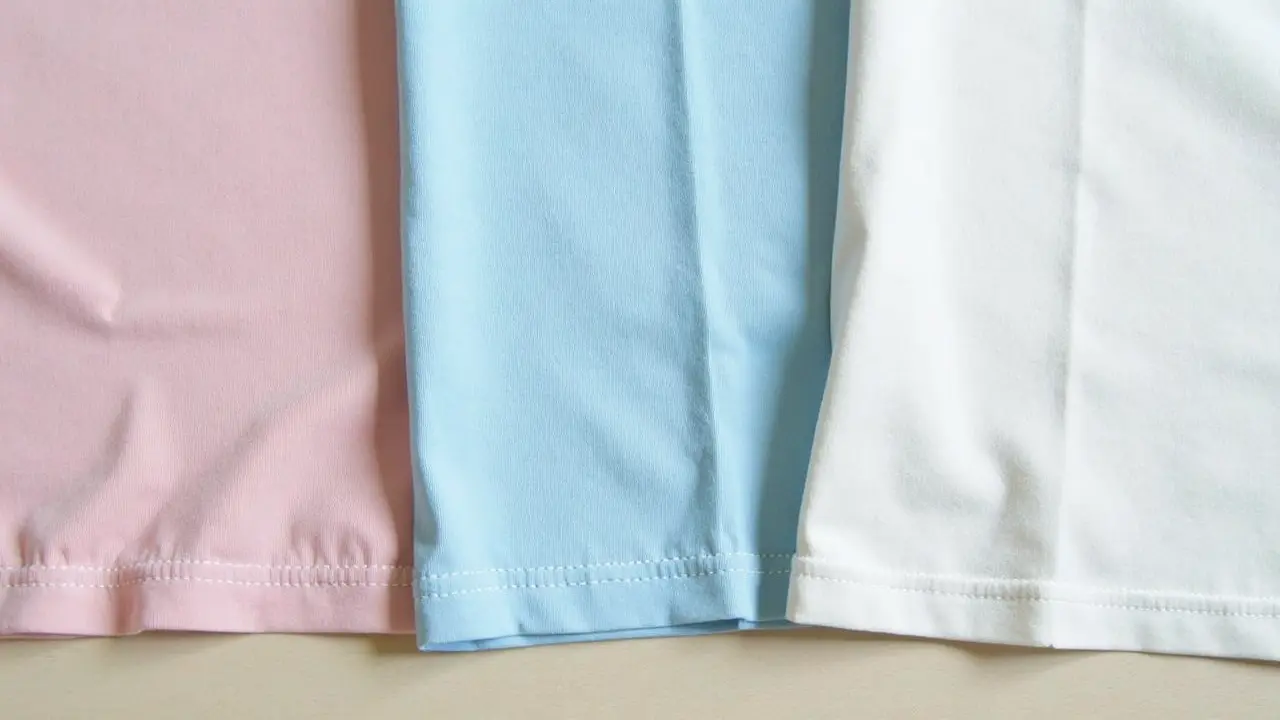
Yellowish underarm stains are among the most persistent—and misunderstood—issues in t-shirt care. These aren’t just dirt; they’re a mix of sweat, aluminum-based antiperspirants, and body oils that oxidize over time. Harsh scrubbing or chlorine bleach may seem like quick fixes, but they often weaken fibers and accelerate yellowing.
Instead, try this gentle yet powerful approach: Mix 1 tablespoon of baking soda, 1 tablespoon of hydrogen peroxide (3%), and 1 tablespoon of cold water. Apply the paste directly to the stain, let it sit for 30–60 minutes (never in direct sunlight), then rinse with cold water. For extra protection, always wash your t-shirt inside out to minimize surface abrasion. This method effectively helps you treat sweat stains without compromising fabric integrity.

Removing Oil and Food Stains Without Residue
Grease splatters from cooking or sauce drips from meals can leave greasy spots that attract more dirt if not treated properly. The key to successful how to clean t-shirts with oil-based stains is immediate action and using absorbent agents—not hot water, which sets the stain deeper into fibers.
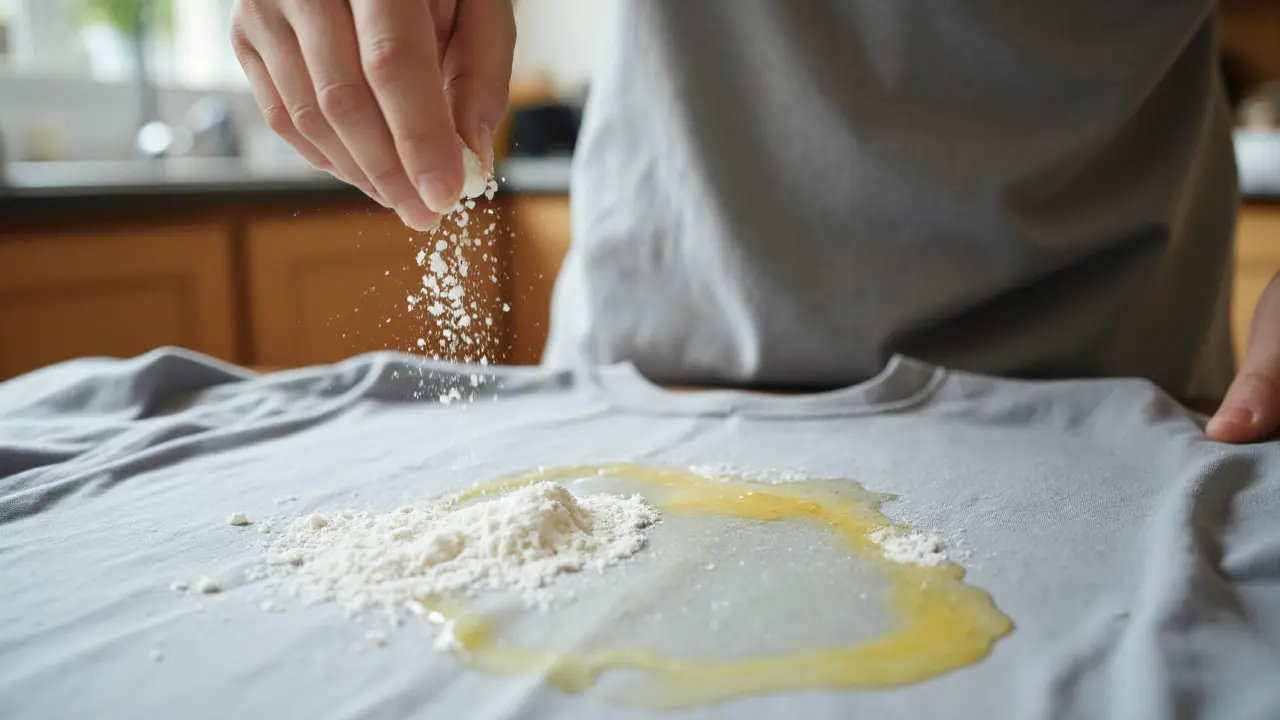
Start by blotting (never rubbing) excess oil with a paper towel. Then sprinkle cornstarch or talc-free baby powder over the spot and let it sit for 15–20 minutes to draw out the oil. Brush off the powder, then apply a drop of clear dish soap (like Dawn) directly to the stain. Gently massage it in with your fingertips, wait 10 minutes, and rinse with cool water. Wash as usual in cold water. This technique avoids the common pitfall of leaving soapy residue that makes fabric feel stiff—a frequent complaint in improper t-shirt care routines.
Pre-Wash Treatments by Fabric Type
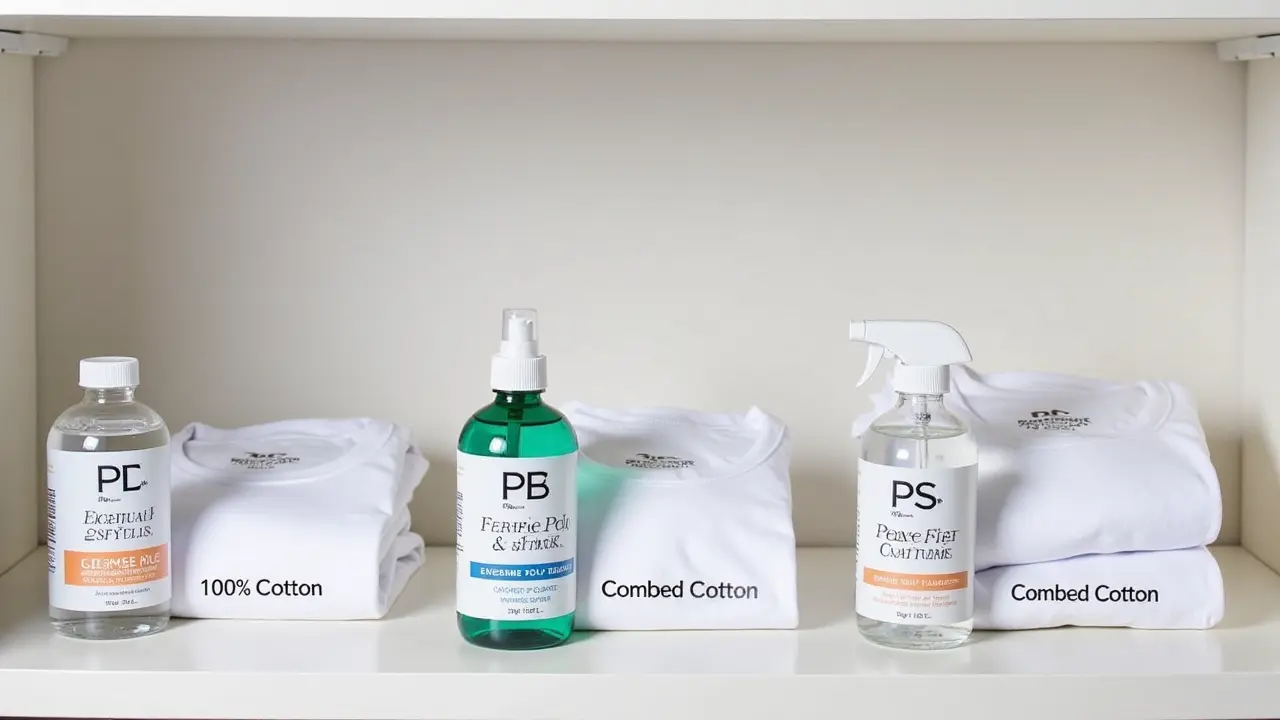
Not all t-shirts respond the same way to stain treatments. For 100% cotton tees, enzyme-based stain removers work well on protein-based stains (like blood or dairy), but avoid prolonged soaking—it can cause pilling. Always use cold water and limit agitation. For cotton-polyester blends, stick to mild detergents and never use undiluted vinegar or lemon juice, as synthetic fibers can degrade under acidic conditions. Instead, opt for oxygen-based cleaners like OxiClean Versatile Stain Remover, dissolved in warm (not hot) water.
Premium combed cotton t-shirts—often used in high-end basics—are smoother and less prone to lint, but also more delicate. Use only pH-neutral stain solutions and hand-rinse pre-treated areas. After treatment, air-dry flat away from heat sources to maintain softness and prevent shrinkage. Following these tailored steps ensures your efforts to remove stubborn stains don’t accidentally compromise the luxurious feel of your favorite tees.
Common Mistakes That Damage T-Shirts During Cleaning
Even with good intentions, many people unknowingly harm their t-shirts while trying to clean them. Using hot water on protein stains (like sweat or blood) cooks the proteins into the fibers, making them permanent. Similarly, applying undiluted bleach—even ‘color-safe’ versions—can break down cotton fibers over time, leading to holes or thinning fabric. Another frequent error is machine-drying stained shirts before confirming the stain is fully gone; heat sets most stains permanently.
To truly master t-shirt stain removal, patience is key. Always test any cleaner on an inconspicuous area (like the inside seam) first. Avoid vigorous scrubbing with brushes—use your fingers or a soft cloth instead. And remember: if a stain persists after one wash, repeat the pre-treatment rather than escalating to harsher chemicals. Gentle consistency preserves both color and comfort longer than aggressive tactics ever could.
Long-Term Tips to Keep T-Shirts Looking New
Beyond emergency stain treatment, smart habits make a huge difference in how to clean t-shirts sustainably. Turn shirts inside out before washing to protect printed designs and reduce surface friction. Use mesh laundry bags for delicate or dark-colored tees to minimize pilling and fading. Choose liquid detergents over powders—they dissolve more completely and leave less residue that can stiffen fabric over time.
Also, consider switching to aluminum-free deodorants to dramatically reduce future sweat stains. When storing clean t-shirts, fold rather than hang to prevent shoulder bumps and stretching. These proactive measures complement your stain-removal efforts and extend the life of every tee in your drawer—keeping them soft, vibrant, and ready to wear.
Removing stubborn stains from t-shirts doesn’t have to mean sacrificing fabric quality. By matching your cleaning method to the fabric type—whether cotton, blend, or combed cotton—and avoiding common pitfalls like hot water or harsh scrubbing, you can effectively treat sweat stains, oil spots, and food messes while preserving softness and color. With these gentle, targeted techniques, your t-shirts will stay fresh, comfortable, and long-lasting wash after wash.