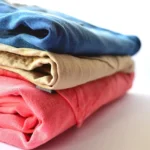

1. Washing in Hot Water: The Fast Track to Shrinking and Fading
One of the most frequent t-shirt washing mistakes is using hot water during laundry. While hot water may seem effective for deep cleaning, it’s disastrous for cotton and blended fabrics commonly used in t-shirts. High temperatures break down fibers, leading to irreversible shrinkage and accelerated t-shirt color fading. Over time, your favorite tee can become too tight or lose its original shape entirely.
To prevent t-shirt shrinking and preserve vibrancy, always opt for cold or lukewarm water (below 30°C / 86°F). Cold water not only protects fabric integrity but also reduces energy consumption. Check garment labels—most modern t-shirts are designed for cold-water cycles, making this simple switch a cornerstone of proper t-shirt laundry guide practices.
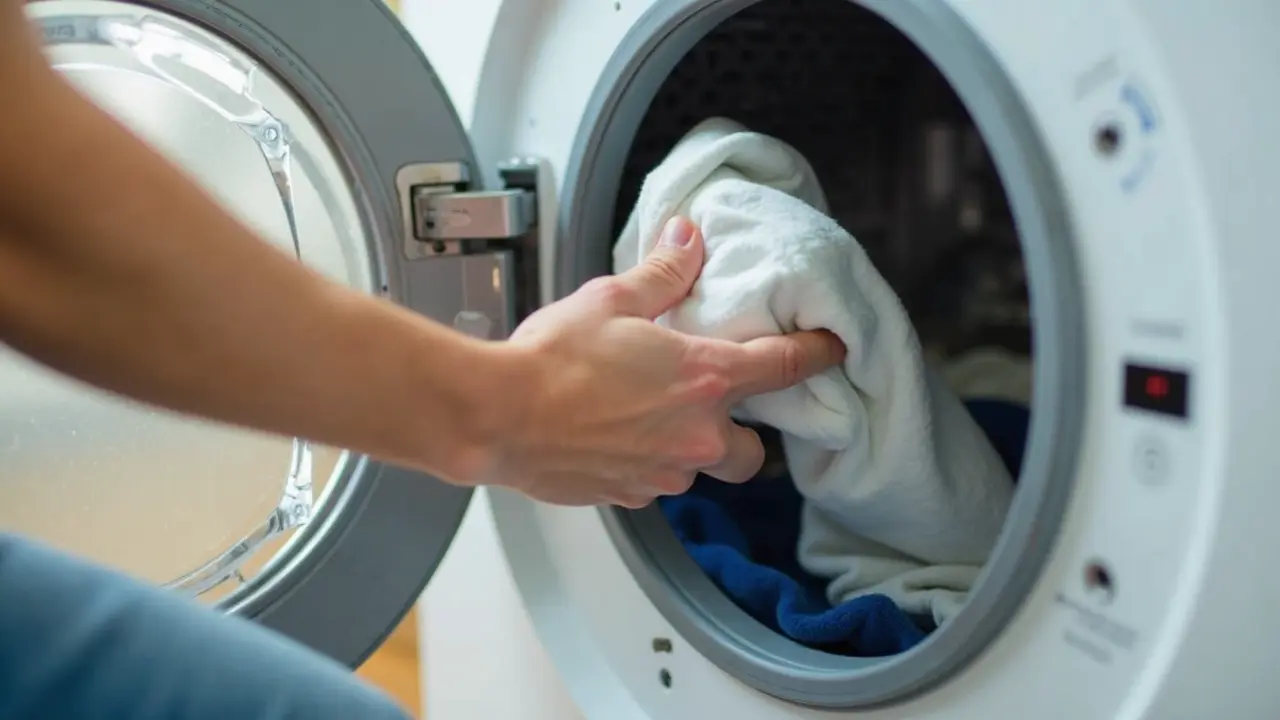
2. Skipping Color Sorting: A Recipe for Disaster
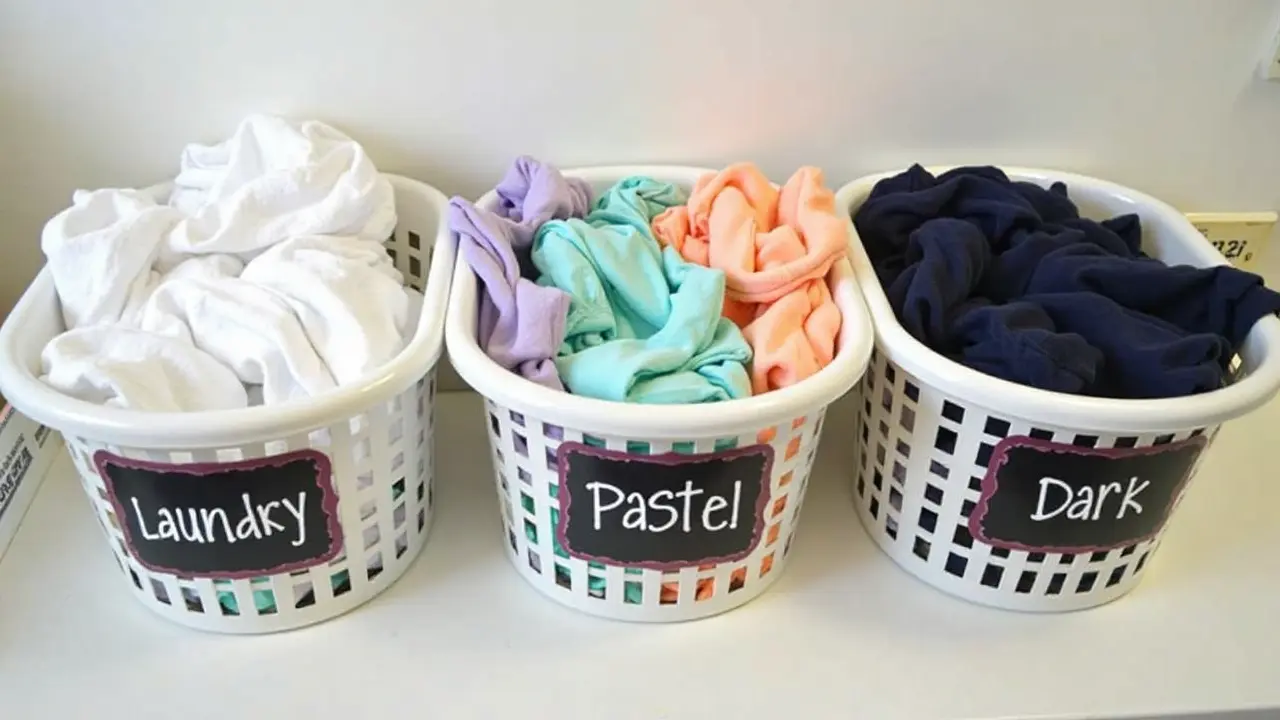
Tossing all your clothes into one load without sorting by color is another classic t-shirt care error. Dark dyes from new black or navy shirts can bleed onto lighter fabrics, especially in warm water. Even white t-shirts with subtle prints can suffer discoloration when washed with reds or bright blues. This mistake doesn’t just ruin aesthetics—it permanently compromises the appearance of multiple garments at once.
Always separate laundry into whites, lights, and darks. For new or deeply colored t-shirts, consider an extra rinse cycle or use color-catcher sheets to trap loose dye. This small habit is essential for maintaining true colors and avoiding cross-contamination—a key step in any comprehensive how to wash t-shirts correctly routine.
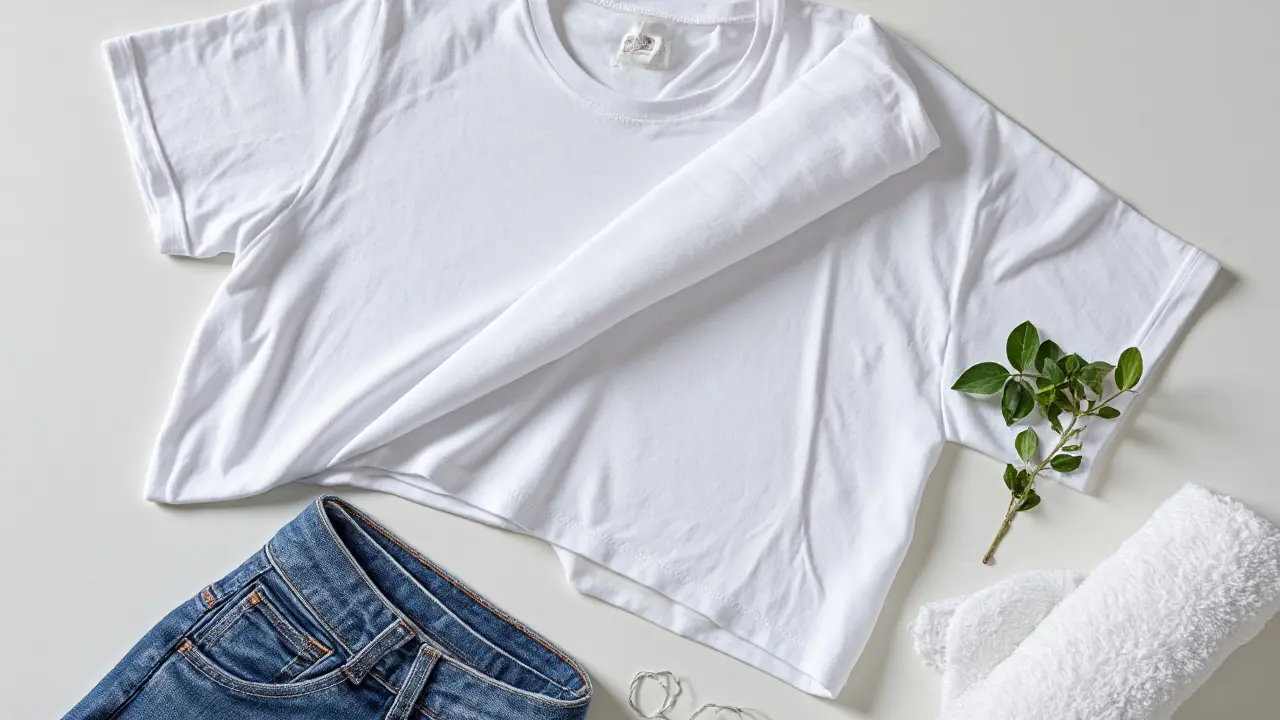
3. Washing with Rough Fabrics: Causing Pilling and Abrasion
Many people don’t realize that washing delicate cotton t-shirts alongside jeans, towels, or zippers-heavy garments causes significant wear. The abrasive surfaces of denim and terrycloth rub against softer t-shirt fabric during agitation, leading to surface fuzz, fiber breakage, and unsightly t-shirt pilling problems. Over time, this makes tees look old and worn—even after just a few washes.
To avoid this, wash t-shirts separately or only with similarly soft items like other knits or lightweight synthetics. Turn t-shirts inside out before washing to shield the outer surface. Using a gentle or delicate cycle further minimizes friction. These steps are vital for preserving texture and preventing premature aging—common oversights in everyday avoid t-shirt damage strategies.
4. Overusing the Dryer: Heat That Ruins Fit and Feel
Tumbling t-shirts in a high-heat dryer is one of the quickest ways to distort their shape and stiffen the fabric. The intense heat causes cotton fibers to contract unevenly, resulting in shoulder seams that pull, hems that curl, and overall shrinkage. Additionally, repeated high-heat drying accelerates fiber degradation, making tees feel rough and less breathable.
For optimal longevity, embrace air drying whenever possible. Lay t-shirts flat on a drying rack or hang them on a padded hanger to maintain shape. If you must use a dryer, select the lowest heat setting or ‘air fluff’ mode, and remove shirts while slightly damp to reduce wrinkling. These t-shirt drying tips help retain softness, fit, and elasticity far longer than conventional drying methods.

5. Ignoring Stains and Sweat: Breeding Ground for Yellowing and Odor
Letting sweat, deodorant, or food stains sit on a t-shirt before washing invites long-term damage. Body oils and antiperspirants react with fabric over time, causing yellow underarm stains that are nearly impossible to remove. Similarly, dried-on food or makeup can set into fibers, leading to permanent discoloration or weakened material.
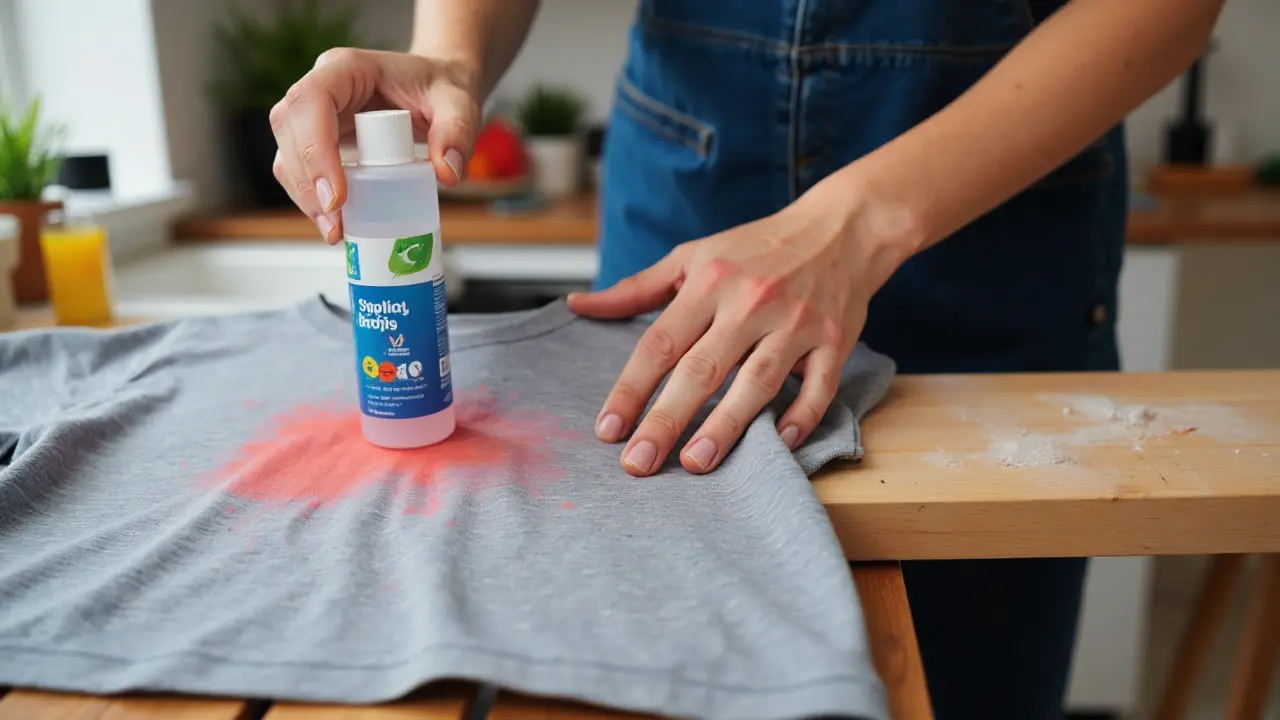
Address stains immediately. Rinse affected areas with cold water, then apply a mild stain remover or a paste of baking soda and water. For sweat-prone zones, pre-treat with vinegar or enzyme-based cleaners before washing. Never put a stained t-shirt in the dryer—heat sets stains permanently. Timely t-shirt stain removal is crucial not just for cleanliness but for preserving fabric integrity and appearance.
6. Washing Too Frequently: Unnecessary Wear and Tear
Contrary to popular belief, t-shirts don’t need to be washed after every single wear—especially if you’ve only worn them for a few hours indoors. Overwashing is a hidden t-shirt care error that leads to cumulative stress on fibers, accelerating fading, thinning, and pilling. Each wash cycle, no matter how gentle, contributes to gradual fabric breakdown.
Adopt a smarter approach: air out lightly worn t-shirts overnight, spot-clean minor marks, and only launder when visibly soiled or odorous. Rotating between multiple tees also reduces individual garment strain. This mindful habit aligns with sustainable fashion principles and significantly extends the usable life of your wardrobe—proving that sometimes, less really is more in how to wash t-shirts correctly.

Avoiding these six common t-shirt washing mistakes—using hot water, skipping color sorting, mixing with rough fabrics, high-heat drying, ignoring stains, and overwashing—can dramatically improve your tees’ lifespan, color retention, and comfort. To make t-shirt care effortless, follow these five golden rules: (1) Always wash in cold water, (2) Sort by color every time, (3) Turn shirts inside out and wash with soft fabrics only, (4) Air dry or use low heat, and (5) Wash only when necessary. With these simple habits from a reliable t-shirt laundry guide, your favorite tees will stay soft, vibrant, and perfectly fitted for years to come.